The Era of Engineered Virality: How Brands Are Redefining Retail Marketing Through Strategic Product Launches and Experiential Engagement

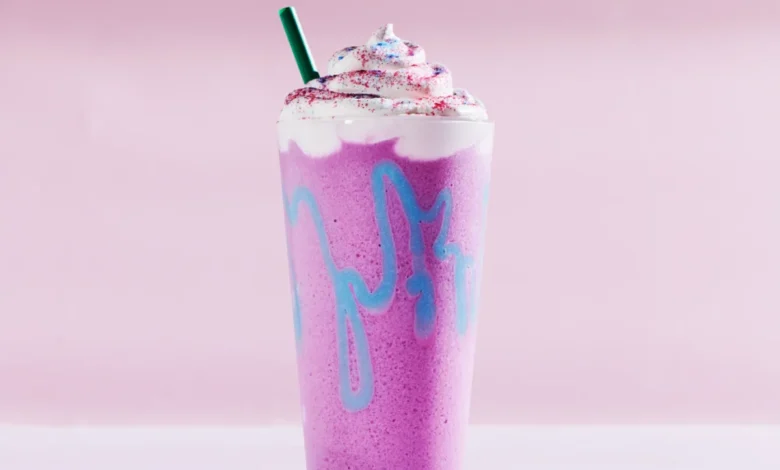
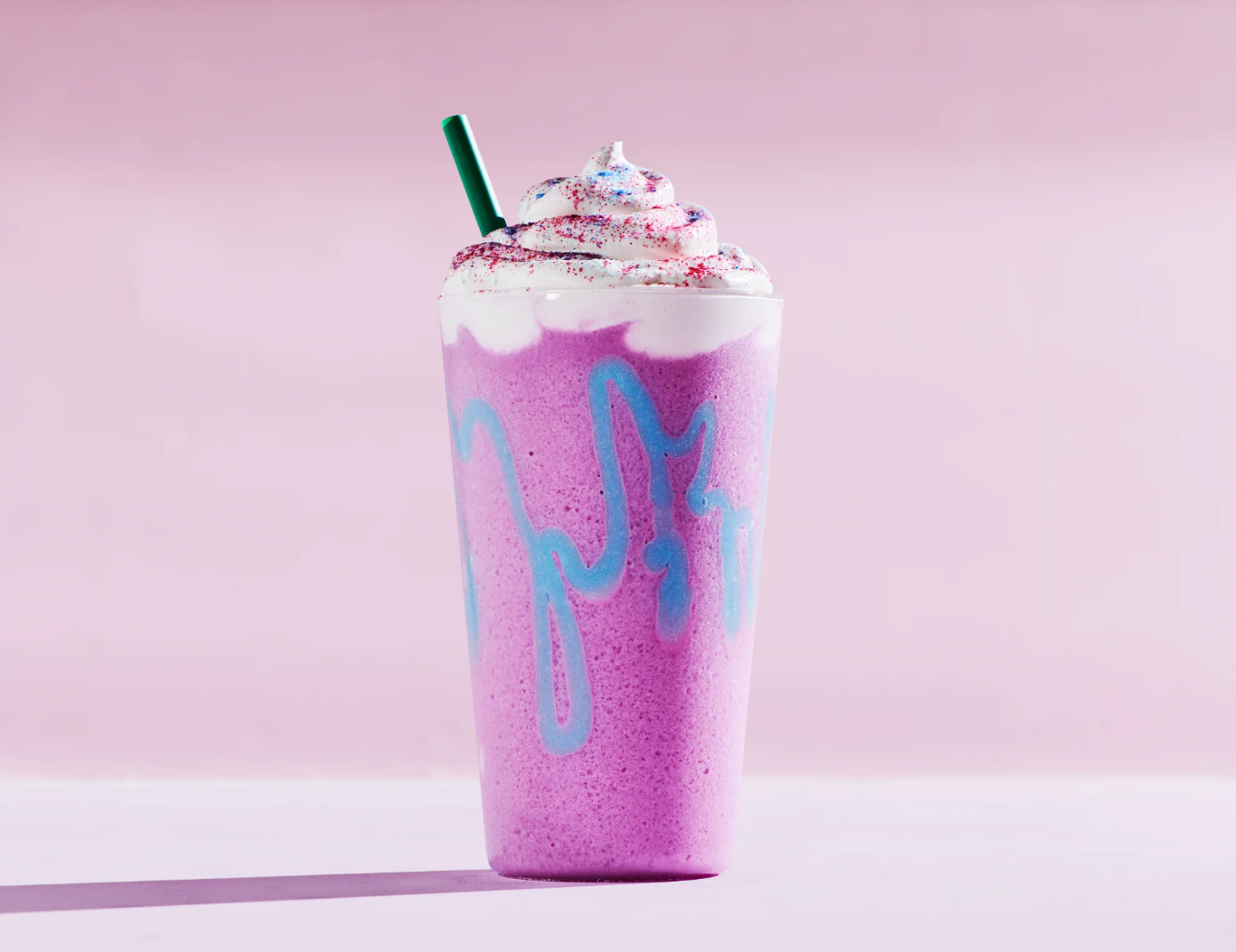
As Starbucks prepares to unleash its iconic Unicorn Frappuccino upon the UK market in 2026, a beverage that first exploded into a cultural phenomenon in the US in 2017, it signals a definitive shift in retail marketing: viral product launches are no longer happy accidents but meticulously choreographed campaigns. The first half of 2026 has witnessed a profound transformation across various retail sectors, as brands pivot from conventional, often predictable, campaign cycles towards launches meticulously designed for maximum digital and social resonance. These new-age product introductions are engineered to permeate TikTok feeds, proliferate through group chats, and ultimately drive consumers into physical and digital stores, embodying a new paradigm where content, commerce, and community are inextricably linked. This strategic convergence is actively redefining the benchmarks of effective retail marketing, pushing the boundaries of what constitutes a "successful" product launch in the modern, hyper-connected marketplace.
The Evolution of Viral Marketing: From Serendipity to Strategy
To truly appreciate the current landscape, one must trace the evolution of viral marketing. In its nascent stages, before the pervasive influence of social media, "viral" referred to content or products that spread rapidly through word-of-mouth, email chains, or early internet forums. These phenomena were largely organic, driven by an inherent novelty or comedic value, and often lacked a clear, repeatable strategy from brands. The success was serendipitous, difficult to replicate, and even harder to predict.
The mid-2010s marked a significant turning point with the widespread adoption of platforms like Instagram and, subsequently, TikTok. These visual-first platforms provided fertile ground for products that were not just functional but also aesthetically compelling and shareable. The launch of the Starbucks Unicorn Frappuccino in the US in April 2017 stands as a watershed moment. Its vibrant, colour-changing aesthetic, limited availability, and evocative name transformed a simple beverage into a social media sensation. Within days, Instagram and Twitter feeds were awash with images and reviews of the drink, generating unprecedented levels of user-generated content (UGC) and free publicity. Starbucks, while perhaps initially surprised by the sheer scale of the reaction, quickly understood the power of a visually arresting, scarcity-driven product designed for digital sharing. Industry analysts at the time estimated the campaign generated over $20 million in media value for Starbucks in its first week alone, demonstrating the immense, albeit initially unplanned, commercial power of virality. This event served as a potent case study, prompting brands globally to re-evaluate their marketing playbooks and consider how to intentionally design products and launches for similar digital explosions.
The Pillars of Modern Viral Product Launches in 2026
In 2026, brands are leveraging a sophisticated array of strategies, moving beyond mere visual appeal to integrate psychological triggers, community engagement, and seamless digital-physical experiences.
1. Scarcity and Exclusivity: The Enduring Power of Limited-Edition Drops
The principle of scarcity, rooted in fundamental human psychology, remains an exceptionally potent lever for generating hype and urgency. When something is rare or available for a short period, its perceived value and desirability skyrocket. The Starbucks Unicorn Frappuccino’s UK launch, slated for a mere three-day window, is a prime example of this deliberate strategy. This limited availability transforms a routine purchase into an urgent, must-have experience, leveraging the "Fear Of Missing Out" (FOMO) that drives significant consumer behaviour, particularly among younger demographics.
Similarly, Marks & Spencer’s limited-edition strawberries and cream sandwich, launched earlier in 2026, became an instant social media talking point. The product itself was deceptively simple – a classic British flavour combination – yet its success was expertly engineered through its framing. M&S positioned it as scarce, seasonal, and inherently shareable, hitting a sweet spot of nostalgia and novelty. This strategy is not unique to food and beverage; luxury fashion brands frequently employ limited drops and collaborations to maintain exclusivity and drive demand, often seeing products sell out within minutes. Data from consumer research firms indicate that limited-edition products can command price premiums of up to 30% and significantly boost brand engagement, with social media mentions often increasing by over 150% during a drop period. The deliberate control of supply, coupled with a compelling narrative, creates a sense of urgency and exclusivity that traditional, always-available products simply cannot replicate.
2. Community-Led Innovation: From Viral Hacks to Commercial Products
The advent of social media has democratized innovation, transforming consumers from passive recipients into active co-creators. Unilever’s TikTok-led Vaseline Originals range epitomizes this community-centric approach. Recognizing that many viral beauty hacks and unconventional uses of Vaseline Jelly were originating organically from its extensive online community, Unilever strategically decided to commercialize these insights. By developing physical products directly inspired by these viral trends – such as the Vaseline Originals Brow Tamer Jelly, a product specifically designed to address the popular hack of using petroleum jelly to sculpt brows – the FMCG giant effectively "closed the loop" between consumer inspiration and commercial product development.
Nathalia Amadeu, Global Brand Director for Vaseline, articulated this philosophy: "Our community has always shaped how Vaseline is used. With Vaseline Originals, we have taken those timeless beauty rituals and reimagined them for today – creating products that are rooted in real behaviour but designed for modern beauty routines and platforms." This strategy not only ensures product relevance but also fosters a deeper sense of brand loyalty and ownership among consumers who feel heard and represented. The launch of these products through the same creator ecosystem that popularized the hacks amplifies their reach and authenticity. The Vaseline Brow Tamer Jelly, for instance, famously sold out within minutes of its release, a testament to the power of authentic community engagement and influencer-driven commerce. Recent studies show that 61% of consumers trust influencer recommendations, a figure significantly higher than their trust in traditional advertisements, highlighting the immense return on investment for brands that authentically engage with creator communities.
3. Content-Commerce Convergence: The Disappearing Marketing Funnel
The traditional marketing funnel, with its distinct stages of awareness, consideration, and conversion, is rapidly eroding in the era of content-commerce convergence. Live shopping events and creator-led launches exemplify this paradigm shift, where products routinely sell out in minutes. In these dynamic environments, the journey from discovery to purchase is compressed, often happening simultaneously. Platforms like TikTok Shop, Instagram Live Shopping, and even dedicated brand apps now enable real-time interaction, product demonstrations, and instant purchasing.
This model thrives on immediacy and authenticity. Creators, acting as trusted advisors, showcase products, answer questions, and drive urgency, often offering exclusive deals or limited stock during live sessions. For consumers, it’s an immersive, entertaining, and highly efficient shopping experience. The seamless integration of engaging content with direct purchase pathways means that awareness is built through the live interaction, consideration happens as the product is demonstrated and endorsed, and conversion is a click away. This accelerated consumer journey demands agile inventory management and robust e-commerce infrastructure from brands, but the rewards – often sky-high conversion rates and immediate sell-outs – are substantial. Reports from major consulting firms predict that the global live commerce market, valued at over $600 billion in 2023, is expected to exceed $4 trillion by 2027, underscoring its transformative potential for retail.
4. Experiential Retail and Digital Amplification: Crafting Shareable Moments
In an increasingly digital world, physical experiences are being reimagined with digital amplification in mind, creating a powerful feedback loop between real-world engagement and online visibility. Brands are investing in experiential retail – from street-level activations to pop-up drops – to generate organic reach and foster deeper brand connections. These physical moments are meticulously designed to be "Instagrammable" or "TikTok-worthy," encouraging attendees to become content creators themselves, extending the brand’s reach far beyond the physical footprint of the event.
In June 2026, digital giant ASOS hosted its London Lido pop-up, a two-day immersive experience aimed at helping consumers discover the summer’s most coveted beauty products. Bernadette Sullivan, Director of Face and Body at ASOS, explained the rationale: "Summer is a time when customers feel more open to experimenting, whether that’s trying a new routine, discovering different brands or finding products that help them feel their best. With the London Lido pop-up, we wanted to bring that sense of fun and discovery into a real-world setting, in a way that feels approachable and easy to engage with." The Lido offered interactive zones, product trials, and photo opportunities, all curated to inspire social sharing.
The phenomenon of experiential pop-ups is not confined to beauty brands. Disney recently hosted a collectible pop-up in the UK capital, leveraging nostalgia and limited-edition merchandise to draw crowds. Lululemon brought a unique padel tennis experience to Manchester’s Trafford Centre, blending active lifestyle with community engagement. Even Nespresso experimented with avant-garde flavours like a pickled coffee cola at its April activation, creating a talking point that resonated beyond coffee aficionados. These diverse examples highlight the versatility of experiential retail in creating memorable, shareable moments that drive both brand awareness and sales, demonstrating that even traditional brands are embracing innovative physical activations to generate digital buzz. According to a 2023 study by Eventbrite, 78% of millennials prefer to spend money on experiences rather than material goods, underscoring the consumer demand for these engaging brand touchpoints.
Broader Impact and Implications for the Retail Landscape
The collective impact of these innovative launches points towards a fundamental redefinition of retail marketing. The product itself is no longer the culmination of the marketing process; instead, it serves as the catalyst for storytelling, community engagement, and ultimately, sustainable growth.
For Retailers and Brands:
This shift necessitates an unparalleled degree of agility, demanding that brands rapidly identify and respond to emerging cultural trends. Investment in dedicated social media teams, sophisticated content creation capabilities, and advanced data analytics to monitor real-time sentiment and viral trajectories is becoming paramount. Furthermore, the imperative to seamlessly integrate online and offline strategies (true omnichannel retail) is more critical than ever. Success metrics are evolving, moving beyond mere units sold to encompass broader indicators such as social reach, engagement rates, cultural relevance, and the velocity at which a product "travels" across digital landscapes. Industry strategists, such as those at McKinsey & Company, emphasize that authenticity remains a non-negotiable component. Consumers are increasingly discerning and adept at identifying inauthentic attempts at virality, making genuine, value-driven community engagement crucial for long-term brand equity.
For Consumers:
The consumer experience is becoming significantly more personalized, engaging, and dynamic. They are privy to faster product cycles, constant novelty, and an enhanced sense of empowerment through user-generated content and co-creation opportunities. However, this accelerated pace also introduces the potential for "hype fatigue" or a sense of manipulation if brands over-rely on scarcity tactics without delivering genuine value. Consumer psychologists observe that the appeal of limited drops and community-led products taps into fundamental human desires for belonging, status, and novelty, which brands are now expertly leveraging.
For the Industry as a Whole:
The competitive landscape is intensifying, with brands constantly vying to generate the next big buzz. This pressure fuels continuous innovation in product development, often directly influenced by social trends and consumer insights. The ethical considerations surrounding influencer marketing transparency, the responsible use of scarcity tactics, and data privacy in tracking consumer behaviour will become increasingly central to industry discourse. The blurring lines between product development, marketing, and sales functions within organizations will continue, fostering more integrated and collaborative operational models.
Conclusion
The era of engineered virality marks a pivotal moment in retail marketing. The Starbucks Unicorn Frappuccino’s journey from accidental US sensation to planned UK launch epitomizes a strategic evolution where product launches are meticulously crafted narratives designed for maximum digital travel. Success in this new environment is not just about moving units; it’s about igniting conversations, fostering communities, and creating indelible cultural moments that resonate far beyond the point of sale. For retailers and brands alike, the message is clear: the next generation of winning launches will be defined not merely by their sales figures, but by how far, how fast, and how authentically they travel across the interconnected digital and physical worlds.